 Play Games
 1 day ago
28
1 day ago
28
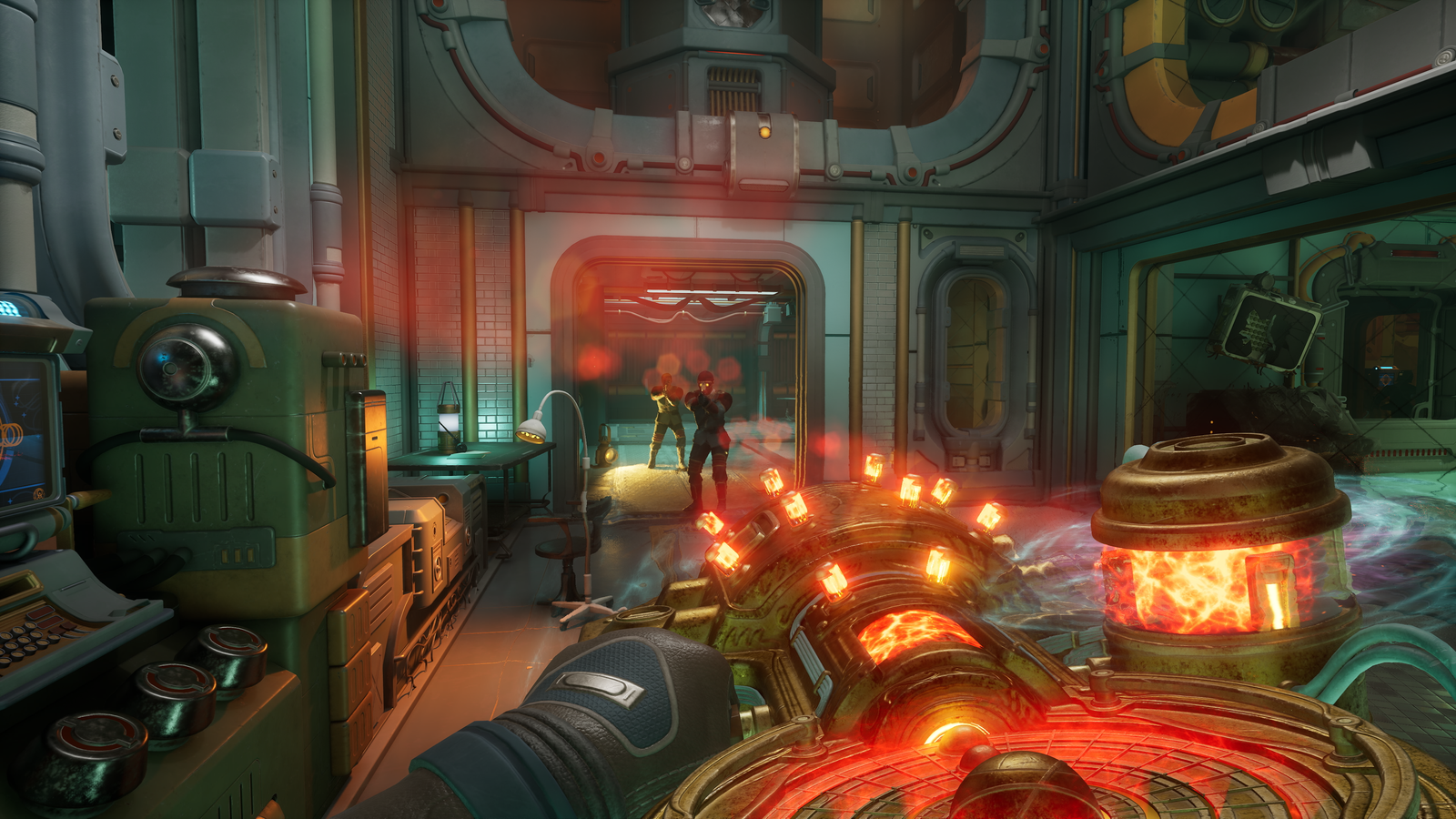
Housemarque built the PlayStation 5 exclusive Returnal around a brutally strict resource economy. Surviving the alien environments of Atropos requires more than just flawless dodging with the Tachyomatic Carbine. The developers implemented a system where 90 percent of the progression loot carries a mathematical risk. Players must constantly evaluate Malignant Resin and biological parasites to scale their weapon damage safely.
Interacting with purple-glowing items always triggers a specific probability check that forces players to analyze the exact cost of a reward. This careful evaluation of terms directly mirrors how users assess digital platforms before committing funds to avoid hidden traps. For example, users prioritizing secure transactions often read comprehensive reviews of the best NeoSurf Casinos in the UK to identify suitable operators with verified deposit and cashout rules for 2026. Understanding these major factors guarantees an entertaining gaming session with fast payouts and no unexpected account restrictions. Ignoring the underlying rules in either environment always results in a heavy loss of progress.
The Mathematical Weight Of Suit Malfunctions
Picking up a Spoiled Resin might offer a slight integrity boost but carries a moderate to very high probability of causing a malfunction. These malfunctions immediately impact core survival mechanics and drastically alter the gameplay loop. A critical failure can instantly reduce dash cooldown by 50 percent or completely disable the minimap radar.
To clear these heavy debuffs, the game forces players to complete exact operational conditions. Players might need to collect 200 Obolites or kill three hostiles with the Atropian Blade. If a player ignores the risk and accumulates three simultaneous malfunctions, the suit suffers a critical failure that permanently destroys a valuable inventory artifact.
This creates a layered risk environment where probability directly impacts progression. Evaluating these variables turns a standard action sequence into an analytical combat puzzle. Players learn to calculate if their current loadout is strong enough to survive a temporary handicap.
Specific Parasite Configurations And Synergy

Parasites provide the most extreme statistical swings in the entire game. These biological attachments guarantee a massive permanent buff but permanently lock a severe debuff to Selene. Finding the right synergy between a parasite and a specific weapon dictates the entire combat strategy for that cycle.
Players must memorize how specific attachments interact with their current loadout. Equipping a close-range weapon requires entirely different risk management than a long-range build.
| Parasite Prefix | Guaranteed Buff | Mandatory Debuff | Optimal Weapon Synergy |
| Silphic | Restores integrity at low health | Fall damage causes integrity loss | Hollowseeker |
| Atrophying | Grants 20 percent melee damage | Increases dash cooldown by two seconds | Spitmaw Blaster |
| Oily | Boosts weapon proficiency by 15 percent | Enemies leave acid pools upon death | Electropylon Driver |
| Wiretail | Reduces alt-fire cooldown by 3 seconds | Suffer damage when picking up items | Tachyomatic Carbine |
Equipping an Oily parasite while using a close-range Spitmaw Blaster guarantees heavy damage. The player will constantly step into the acid pools left by dead enemies. Combining that same parasite with a long-range weapon turns the debuff into a non-issue.
Currency Economics Between Obolites And Ether
Returnal operates on a strict dual-currency system requiring constant management. Obolites reset every run and buy immediate upgrades at the Fabricator. Ether persists through death and caps at exactly 30 units in the inventory.
Cleansing a Malignant Chest costs anywhere from two to five Ether. Since Ether is a highly restricted permanent resource, spending it to cleanse a low-tier chest is a massive tactical error. Mastering this economy requires executing precise choices to maximize the build configuration.
Players optimize their resource allocation by following specific tactical rules:
- Hoarding Ether strictly for unlocking new artifacts at the Cthonos monolith
- Spending Obolites on the Astral Figurine to secure an extra life before boss fights
- Buying the Resin Enhancer to lower max-health upgrade requirements from three slots to two
- Leaving Malignant Resin on the ground until finding a Nullification Sphere to wipe malfunctions
- Destroying Obolite chunks with melee attacks to maximize currency drops by 50 percent
When players understand these specific data points, the perceived randomness drops significantly. The difficulty curve relies heavily on the player failing to manage these exact resource limits.
Strategic Loadouts For Biome Progression
Pushing from the Overgrown Ruins into the Crimson Wastes requires a highly calculated loadout. A player fighting the first boss needs maximum mobility to survive rapid attack patterns. If they picked up a parasite that causes damage when using the dash, they cannot dodge the laser grids.
Hardcore players memorize item pools to manipulate the random generation engine. Finding the Adrenaline Leech artifact restores 5 percent of max integrity per kill at maximum adrenaline. If a player secures this item, they can safely pick up highly toxic gear.
The massive passive healing completely outweighs the environmental damage penalties. This approach to game design demands absolute mechanical transparency. Players only accept punishing conditions when the developers clearly define the rules upfront.
The post How Returnal Loot Mechanics Turn Action Gamers Into Risk Managers appeared first on PlayStation Universe.